Most baby brands hide what their clothes are made of. We built an entire website around showing you.
The new Arubana site is live. Every page, every photo, every product — rebuilt so you can see the one thing that actually matters: what's against your baby's skin, up close, with nothing between you and the truth of the fabric.
What changed?
Everything you can see, and everything you can't.
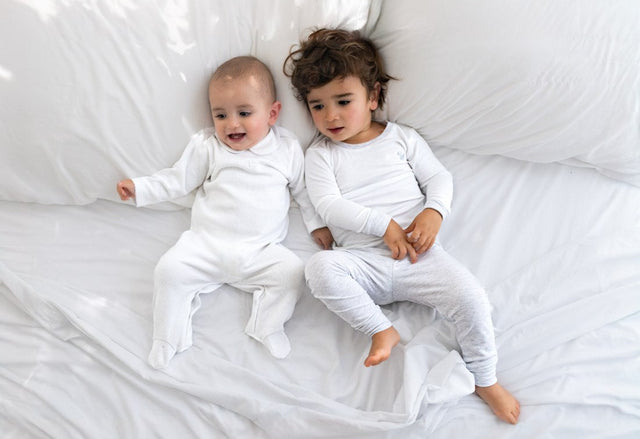
The old site worked. This one shows. We rebuilt it around the cotton itself — the weave, the weight, the way Peruvian Pima catches light differently than the synthetic blends filling most nurseries. You'll notice it in the photography. You're supposed to.
Why does a baby clothing brand need a redesign?
Because "100% Pima cotton" means nothing if you can't feel it through a screen.
Polyester baby clothes photograph fine. That's the problem — a screen flattens everything, and a plastic-blend onesie can look just as soft as ours in a thumbnail. So we rebuilt the site to close that gap: bigger images, real texture, real babies, and plain answers to the question every careful parent is actually asking — what is this made of, and is it safe?
What will you find on the new site?

A few things worth clicking through for:
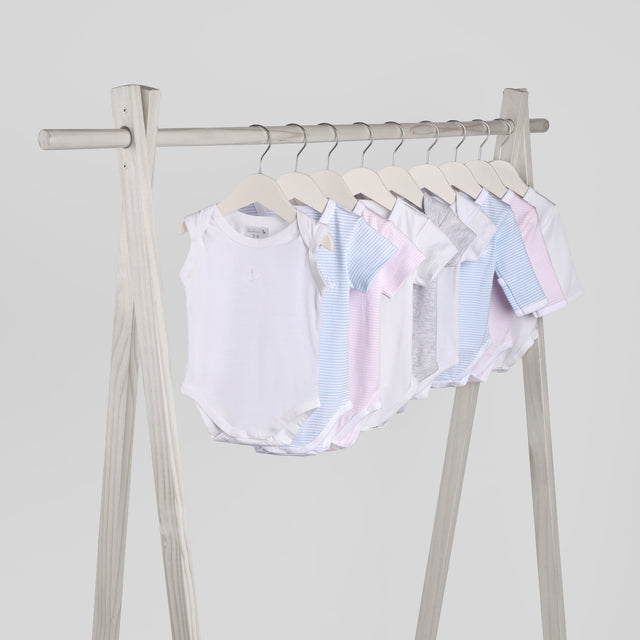
- The full collection, reorganized — side-snap bodysuits, kimono sets, joggers, pajamas, and towels, all sorted by what your baby actually needs and when
- A closer look at the fabric — we're a little obsessed with showing the weave. You'll see why.
- The Why Pima page — the plain-language case for why we refuse to touch synthetics, backed by what's known about newborn skin
- Our story — including the moment we were featured in Vogue Latam, alongside names like Hermès and Louis Vuitton
Is it really 100% Peruvian Pima cotton?
Yes. Zero synthetic fibers. No polyester, no nylon, no "cotton-rich" blends that quietly hide plastic in the seams.
Pima cotton is an extra-long-staple cotton — the longer fibers mean fewer loose ends, which is why it feels smoother and holds up wash after wash without pilling. Grown in Peru, cut and finished in small batches in the USA. That's the whole formula. The new site just makes it easier to see.
Come look before you buy anything
You don't have to purchase a thing today. Just come see it.
Open the new site on your phone, tap into a product, and zoom in on the fabric the way you would in a store. Run your eyes over the weave. Read the material tag we put right up front instead of burying it. Then decide whether it belongs against your newborn's skin.
That's the whole invitation. We think the cotton makes the argument for us.
Frequently asked questions
What's new about the Arubana website?
The entire site was rebuilt with larger, high-detail photography, a reorganized collection, and clearer material information — all designed to show the actual texture and quality of our Pima cotton rather than just describe it.
Did the products change?
No. The clothes are the same 100% Peruvian Pima cotton, small-batch, made in the USA. What changed is how clearly the site shows them.
Where's the best place to start?
Start with the collection page to browse everything, then visit the Why Pima page if you want the full case for choosing natural fibers over synthetics.
Is Arubana really featured in Vogue?
Yes — Arubana was featured in Vogue Latam alongside luxury names including Hermès and Louis Vuitton.
See what your baby's been missing.
Explore the new Arubana →